Cruise Ship Engine Oil Capacity
Wartsila Controllable Pitch Propeller Systems Wcp Or Cpp

Diesel Electric Propulsion Man Energy Solutions
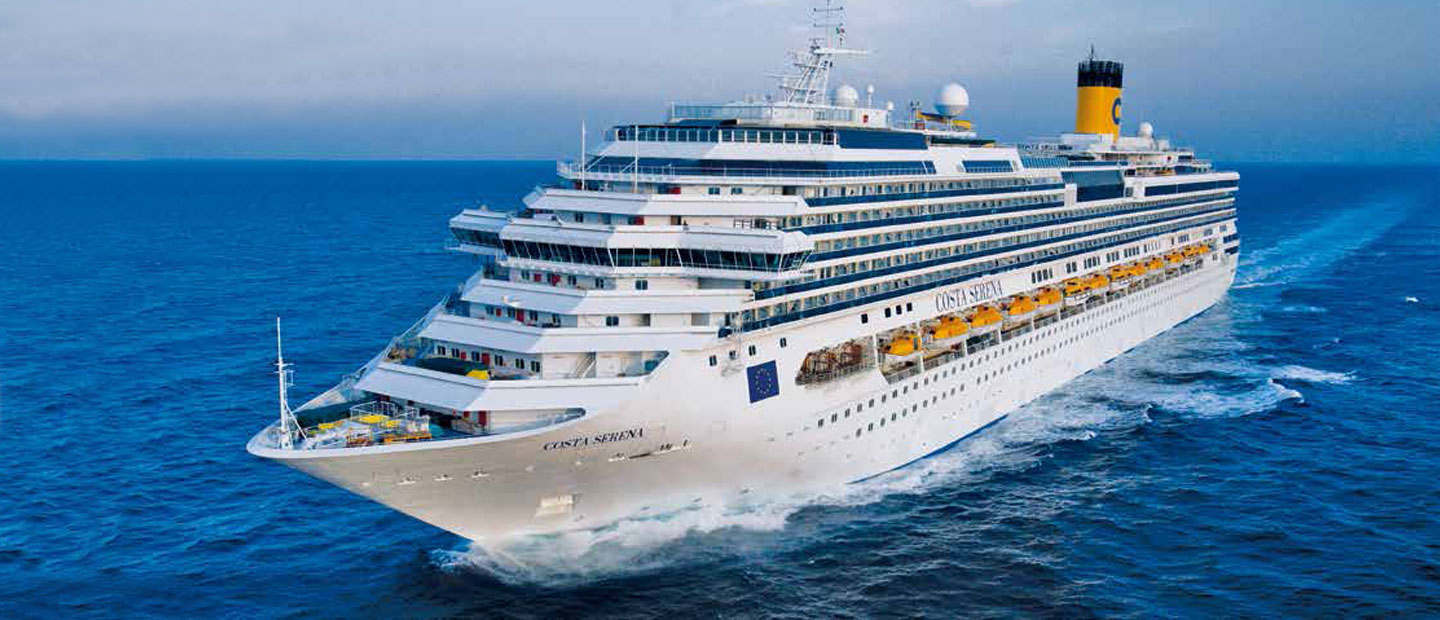
Fincantieri Costa Serena
Pollution And Damage From Floating Cities Are Creating Conflict Campaigning For Cleaner Transport In Europe Transport Environment

Ventilation In Cruise Ships Systemair

Products Pertamina Lubricants
Currently the limit value is seven times that.
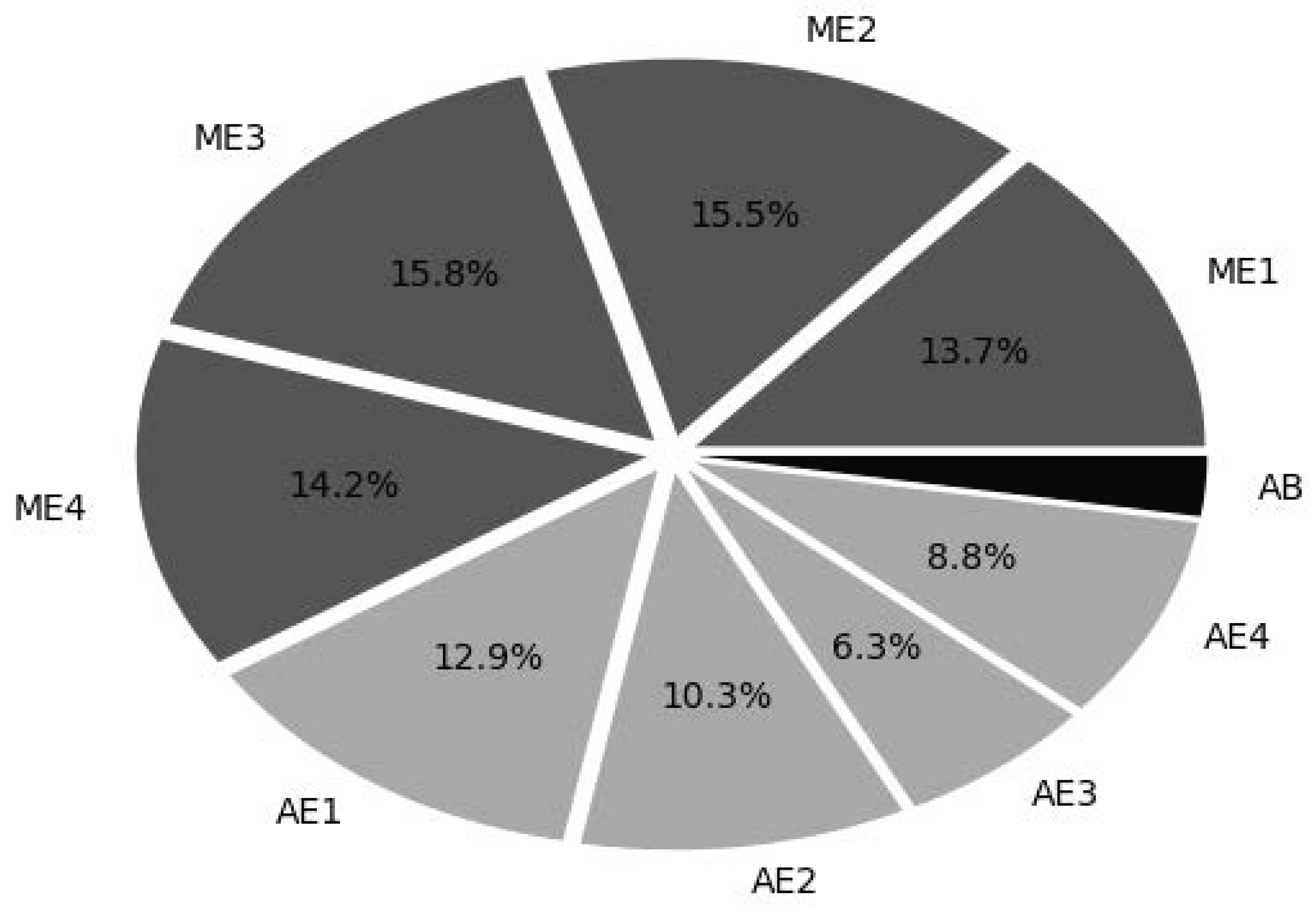
Cruise ship engine oil capacity. The Palva is powered by a MAN BW 6S60 MC-C main engine that is built under license by the Brodosplit shipyard. One vertical oil fired marine boiler steam capacity 20 thour of saturated steam working pressure 80 bar. Each engine has eight cylinders with an 800 mm bore.
When the Viking Sky suffered an engine-shutdown in March that nearly led to a grounding in stormy weather it only carried 28 to 40 percent of lube oil in its engines far less than the 68 to 70 percent recommended by the engine manufacturer according to a preliminary report issued by the Norwegian Accident Investigation Board. The engines are designed to deliver their maximum efficiency at 73 rpm. Caterpillar says that 450 ships are now using the M43Ctype engine which can be converted to an LNG-fuelled M46 DF engine.
On average a large cruise ship can use up to 250 tons of fuel per day which is around 80000 gallons. Equally important as the performance is the easy main-. The engine in question was a 6L3244 CR engine in the process of conversion to a 6L3544DF.
For smaller vessels it is about 6000 barrels. While the companies mentioned above have large. The vessel has a bunker capacity of 2650m³ of heavy oil and 600m³ of diesel oil which gives it a range of 18 days at 195 knots.
In addition the low max tank pressure of 07 bars for a type B tank results in limited flexibility for the tank operation and bunkering. The Queen Mary 2 for example is 1132 feet long and can carry up to 56655 bbls of fuel oil. These are the highest capacity tanks on ship.
The average fuel capacity of cruise ships depends entirely on their size. Two tanks are located in port side and two are in starboard side. It also depends on your definition of cruise ship.
Riviera News Content Hub Coronavirus Devastates Cruise Shipbuilding No New Contracts For Five Years

Shipbuilding Industry Issue 5 2020 By Yellow Finch Publishers Issuu

Marine Abb
Energies Free Full Text Energy And Exergy Analysis Of A Cruise Ship Html

Hvac For Cruise Ships Heinen Hopman
Fincantieri Viking Jupiter

Covid 19 Impacts On Global Cruise Industry Kpmg Global

Hydrogen On The High Seas Welcome Aboard Abb
Fincantieri Ventura
Fincantieri Viking Venus
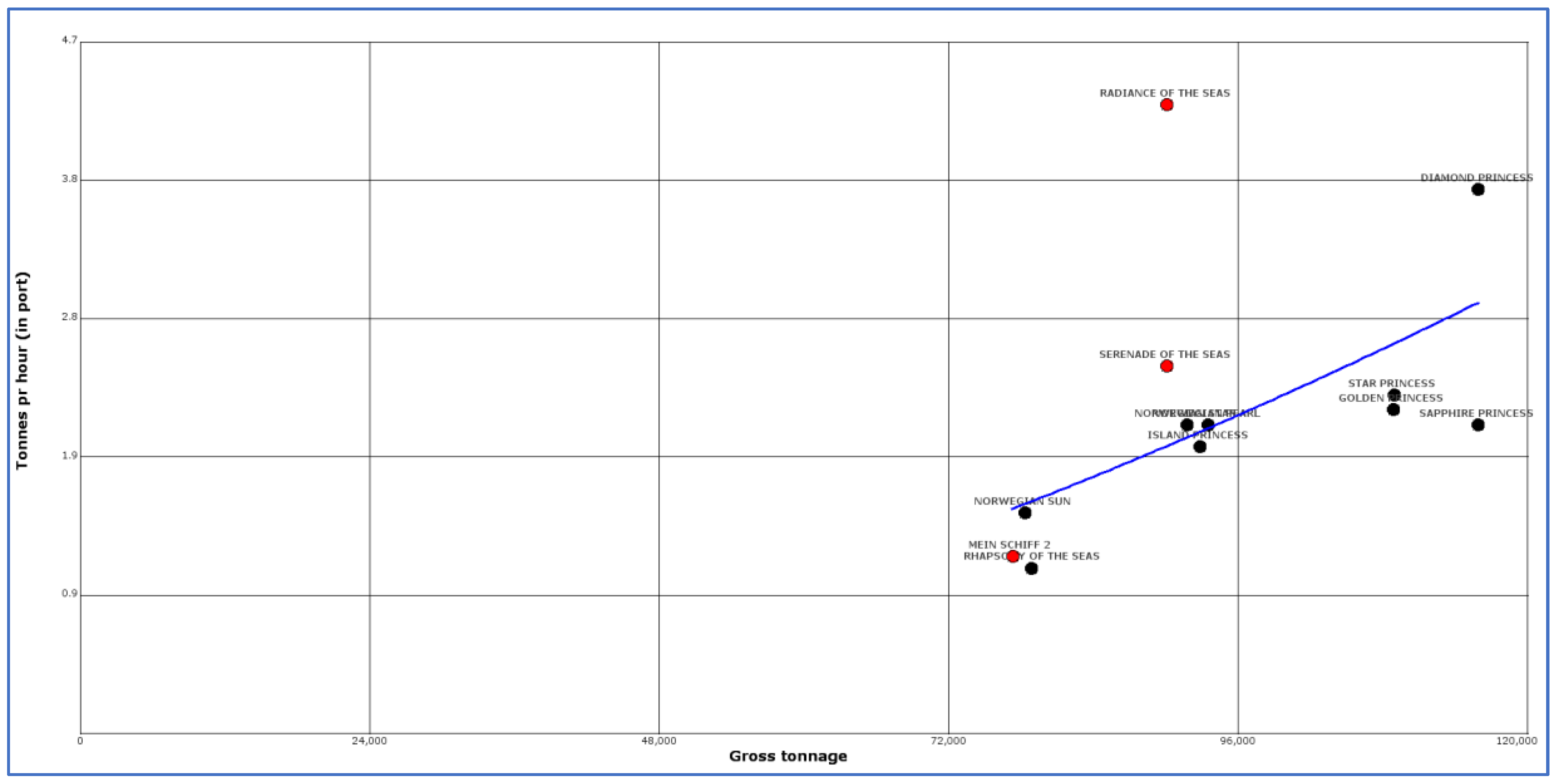
Energies Free Full Text Model For Estimation Of Fuel Consumption Of Cruise Ships Html
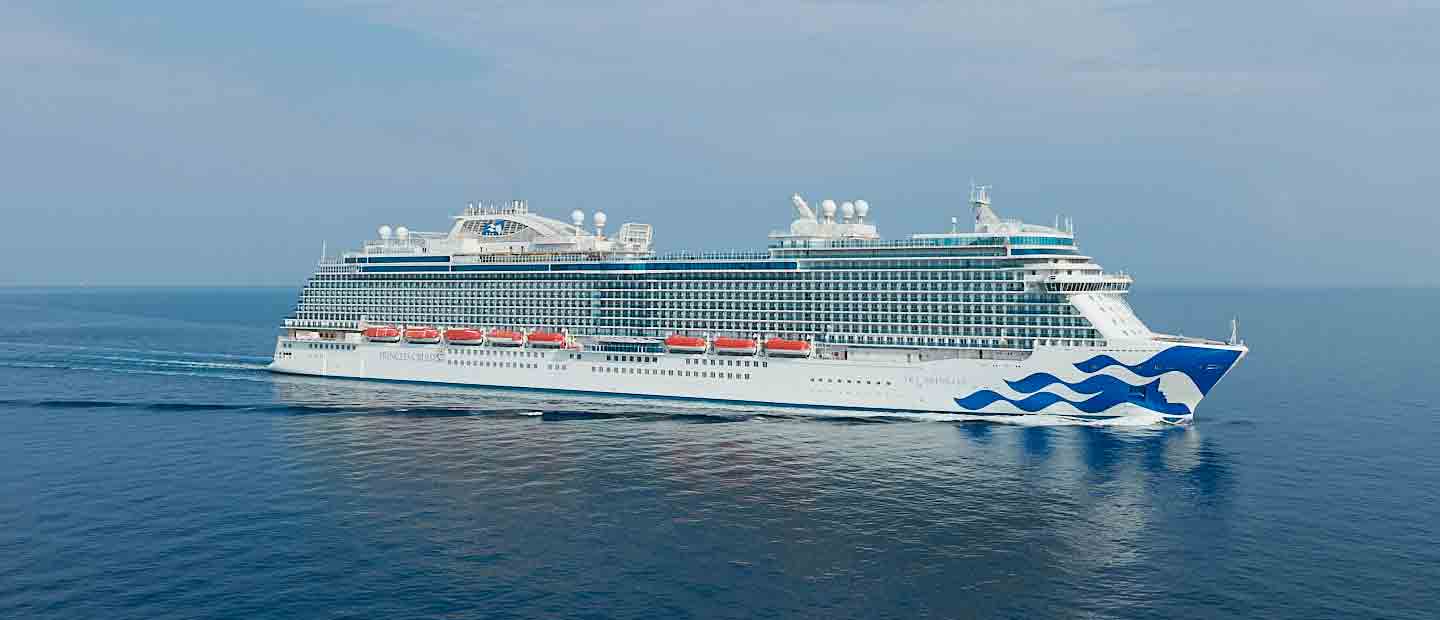
Fincantieri Sky Princess
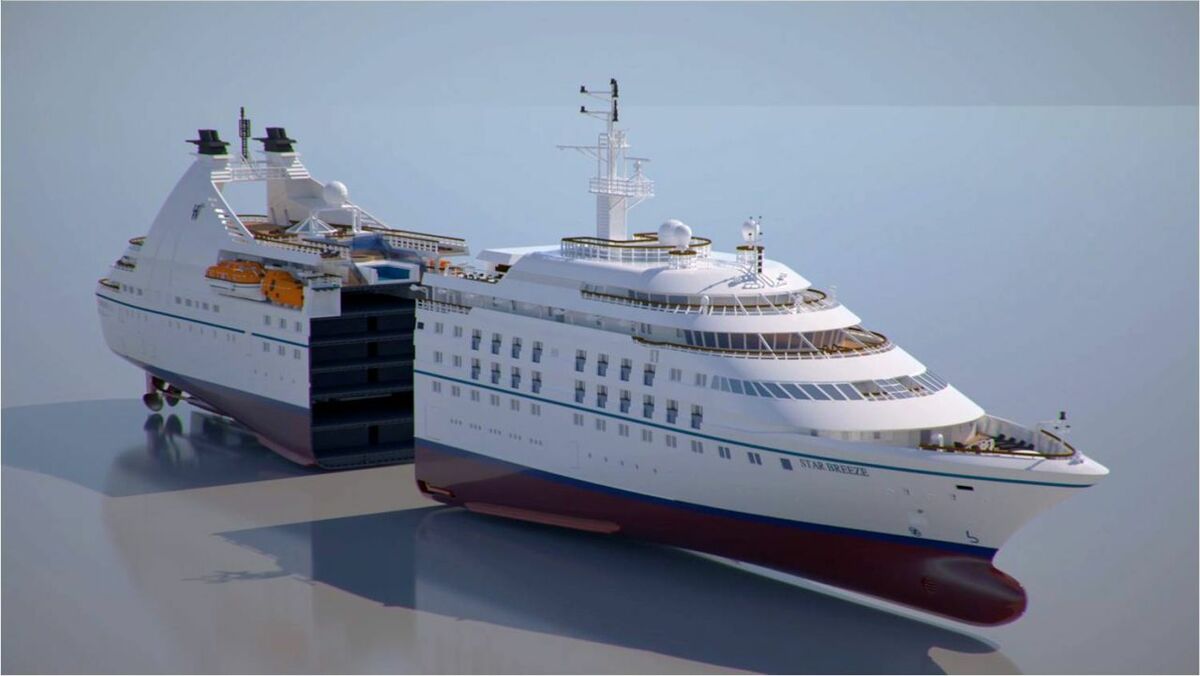
Riviera News Content Hub Windstar Cruises To Carry Out Complex Cruise Ship Stretch
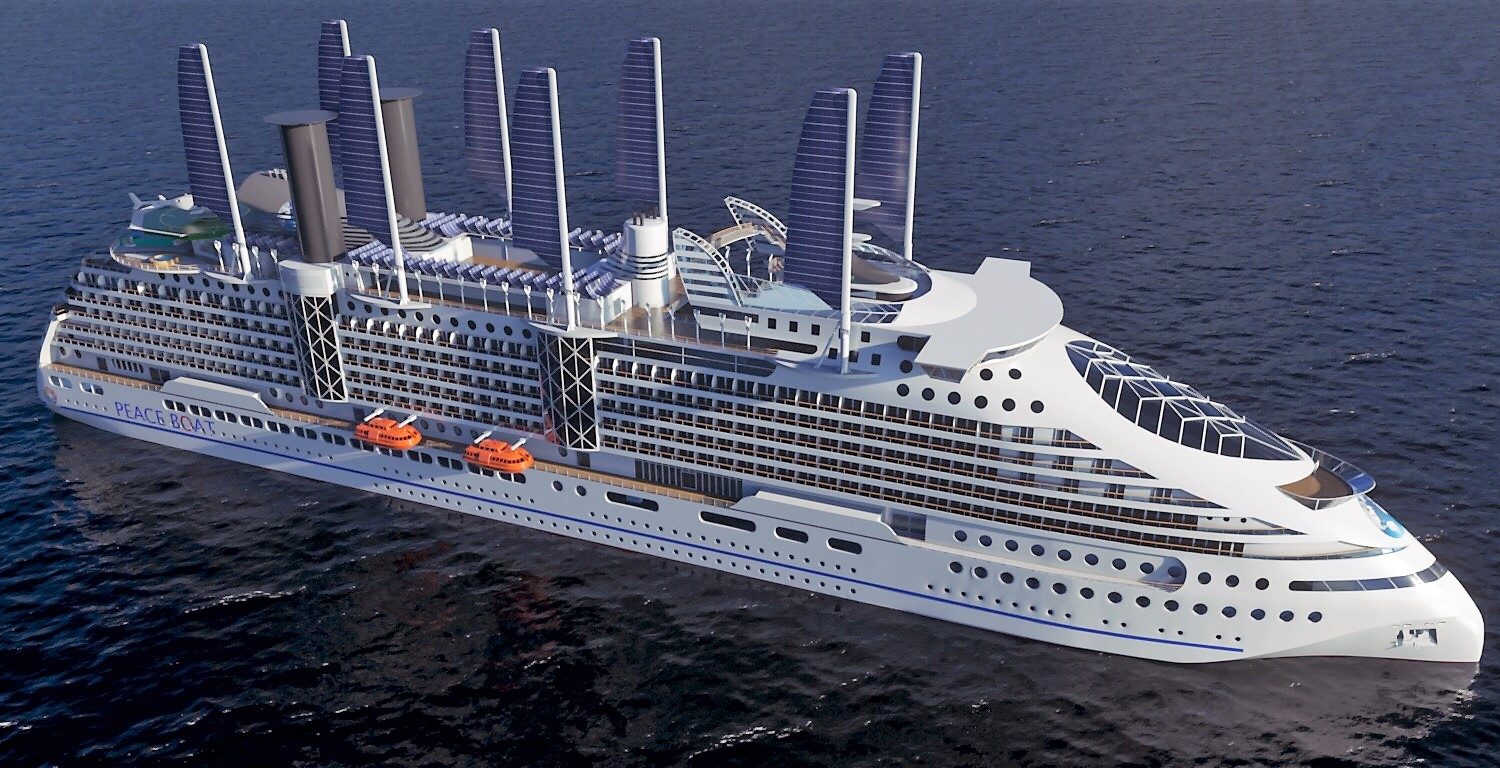
World S Most Eco Friendly Cruise Ship Designed In Spain Safety4sea

