Jones Act Cruise Ships

How Does The Jones Act Affect Cruise Ships
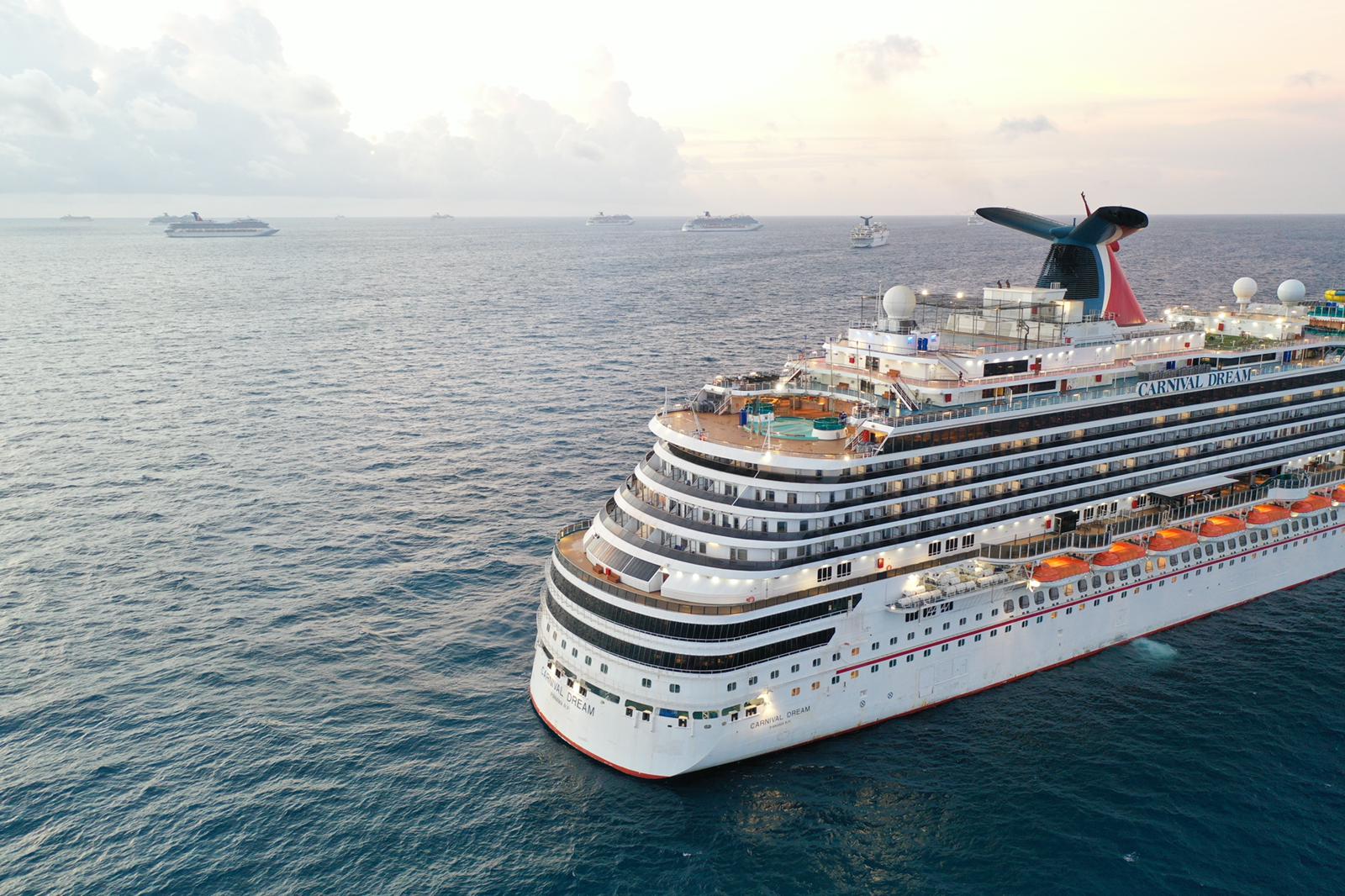
What Is The Jones Act And How Does It Differ From The Passenger Vessel Services Act Cruise Blog

Alaska Journal Young Pitches Jones Act Waiver To Aid Cruise Ships

Report Pollution From The Cruise Ship Industry Is Still Massive Cruise Ship Cruise Pollution

Jones Act And Pvsa What S The Difference And How Do They Affect My Cruise Photo Evannovostro Shutterstock Cruise Cruise Deals River Cruises

What Is The Jones Act And How Does It Differ From The Passenger Vessel Services Act Cruise Blog
Shipping industry by ensuring that only US.
Jones act cruise ships. The Jones Act was initiated in 1920 as part of the Merchant Marine Act and it bars ships from transporting goods from US port to US port unless. And to that end the law has always worked well. Are cruise ships subjected to the Jones Act.
Points is reserved for US. Even some cruise lines cite the Jones Act as the reason why their ships need to stop in a foreign port. Basically speaking the movement of merchandise in the domestic waterborne trades is governed by Section 27 of the Merchant Marine Act of 1920 46 USC.
Are cruise ships subjected to the Jones Act. The Jones Act is a 100-year-old regulatory relic instituted during the Wilson administration to protect our maritime industry. For over 100 years US.
The Jones Act also known as the Passenger Services Act prohibits ships of Non-US registry from embarking and debarking guests at two different US ports. The law can also impact passengers as a Jones Act cruise ships penalty imposes fines on passengers who embark or disembark at the wrong port. Ports unless they stop at a foreign port.
Simply put because of the Jones Act cruise ships that were not US-built US-owned and with US crews cannot travel between US. Many cruise ship employees receive legal protection from the Jones Act. This means that a ship that is foreign in any way origin ownership crew ship can go roundtrip from Seattle to Alaska or San Francisco only if it stops in Canada.
The short description says that you cannot transport cargo or passengers between two American ports unless you use ships built in American shipyards flagged as an American ship. Legislation called The Jones Act has dictated that only American-owned crewed registered and built ships can transport cargo between US. The Jones Act is not to be confused with the Death on the High Seas Act another United States maritime law that does not apply to coastal and in-land navigable waters.

Bills Introduced To Repeal And Reform The Passenger Vessel Services Act
/cloudfront-us-east-2.images.arcpublishing.com/reuters/RORJUQJEN5JKRGJO5HQ3VZATRY.jpg)
Exclusive Italy Bans Cruise Liners From Venice After Years Of Hesitation Reuters

Senate Passes Bill To Allow Cruise Ships To Return To Alaska
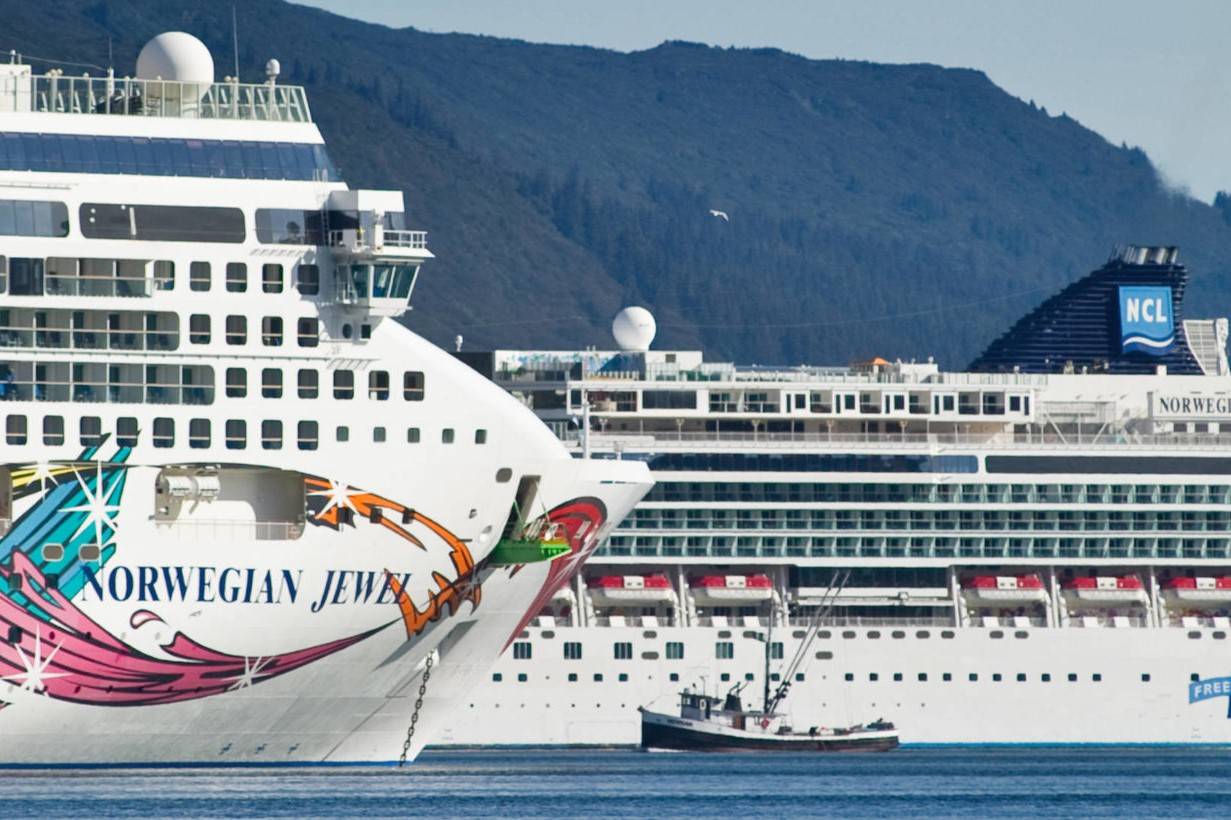
House Republicans Balk At Cruise Ship Waiver Language Juneau Empire

Pasha Shortlists Two Yards To Build Lng Fuelled Containerships For Hawaii Jones Act Trade Gcaptain Model Ships Working Boat Sailing Adventures
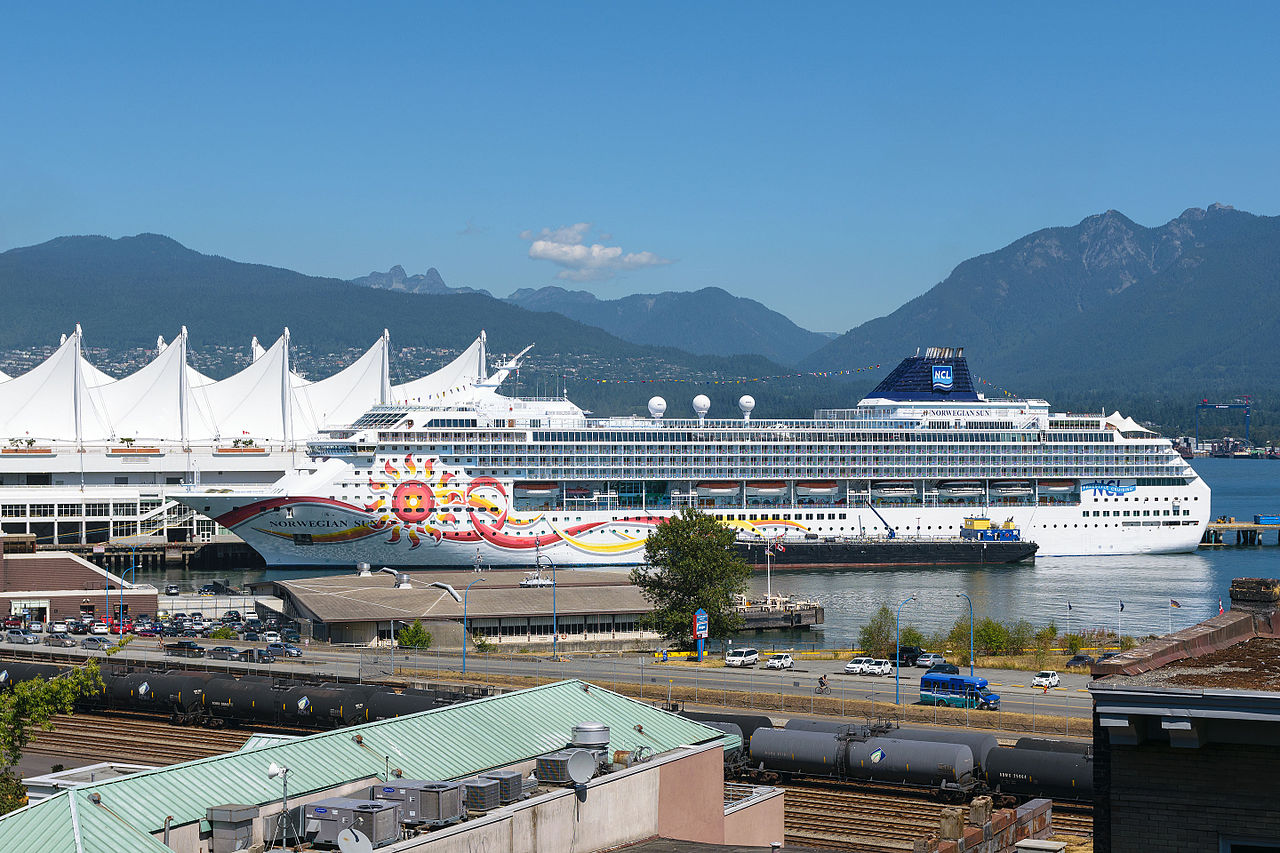
Canada Pledges To Reopen Ports To Cruise Ships Murkowski Floats Maritime Law Reforms

What Happens After Pride Of America Says Aloha To Hawaii Grassroot Institute Of Hawaii
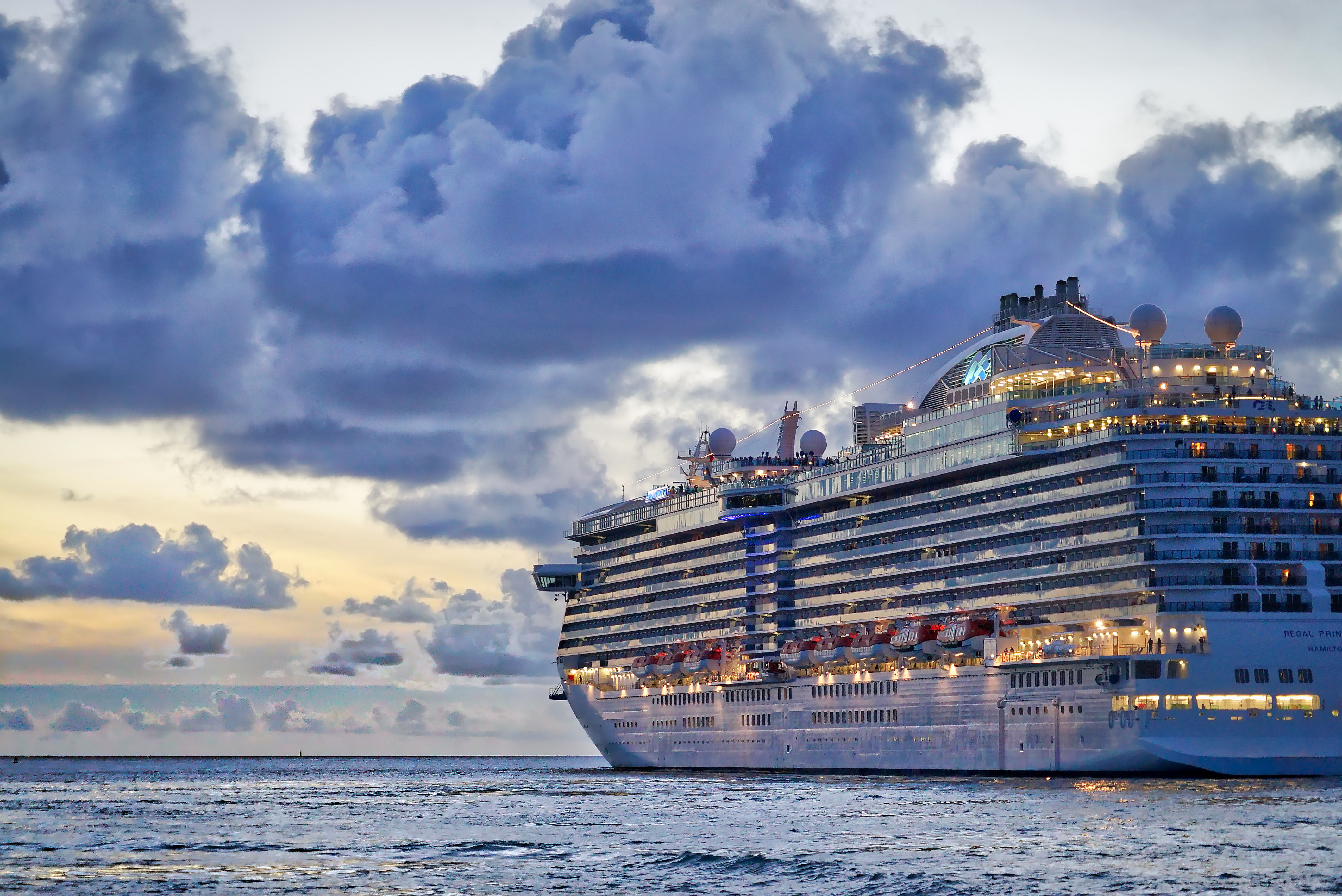
Cruise Ship Passengers Will Be Required To Wear Masks New Cdc Order States Pennlive Com
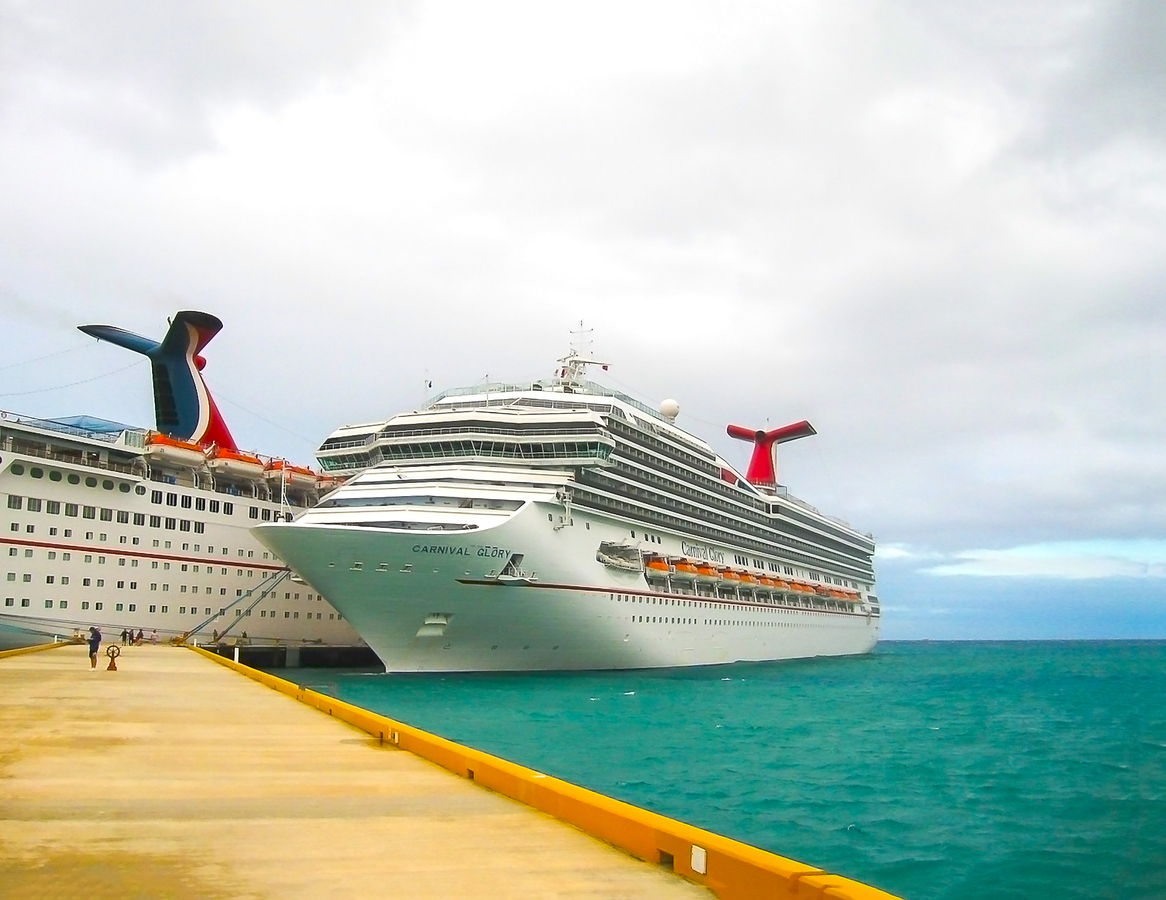
Everything To Know About Carnival Cruise Ship Accidents

Ships Docked In Nassau Bahamas In February 2013 Vacation Bahamas Cruise Nassau Bahamas Adventure Is Out There
What Is The Best Cruise Ship Quora

Petrolier T2 Caltex Dublin Tanker Ship Oil Tanker Tug Boats

Why Are Cruise Ships Registered In Foreign Countries
Most Famous Cruise Lines Lm W Pa

