What Fuels Cruise Ships
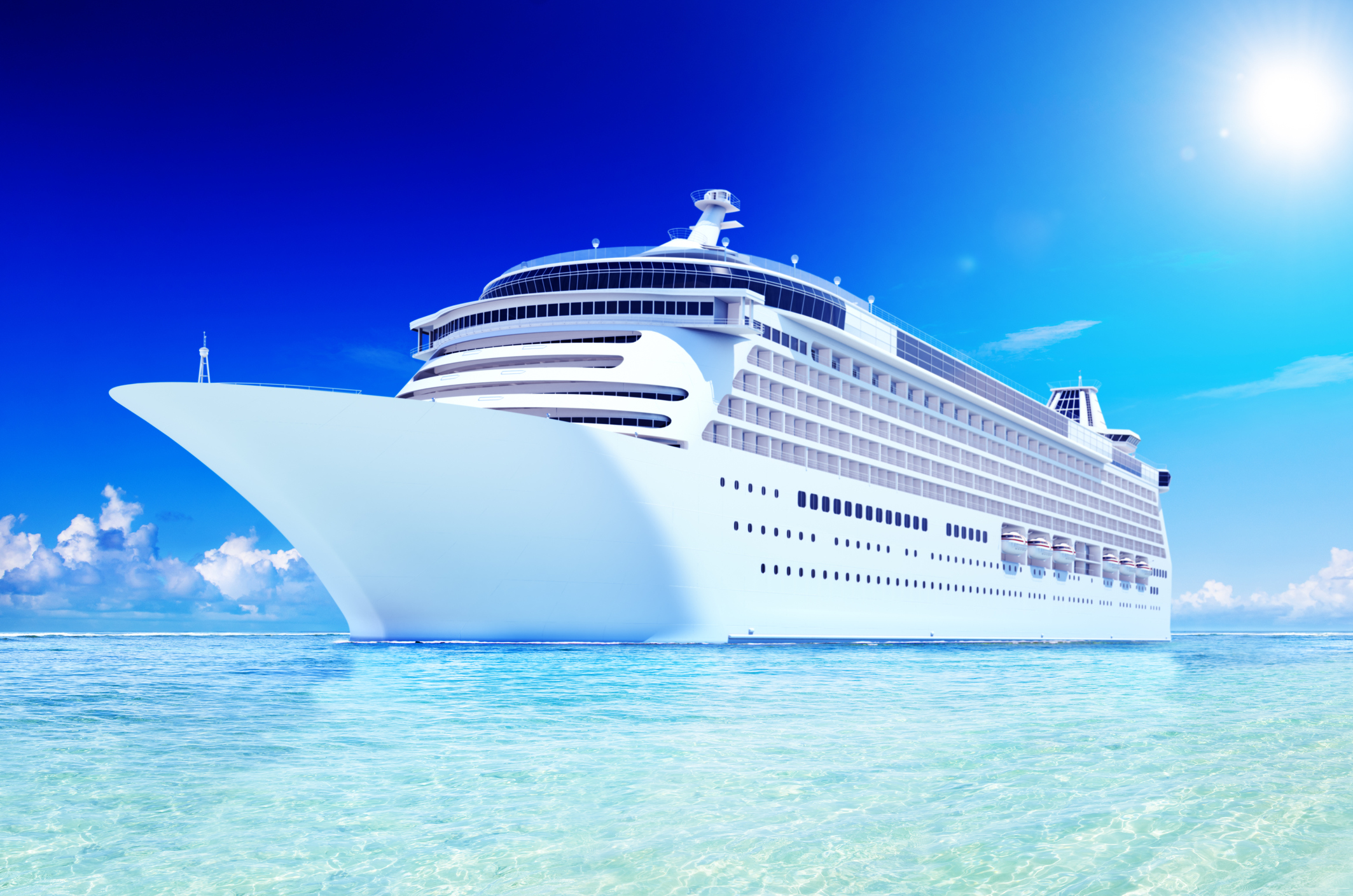
How Much Fuel Does A Cruise Ship Use Lovetoknow
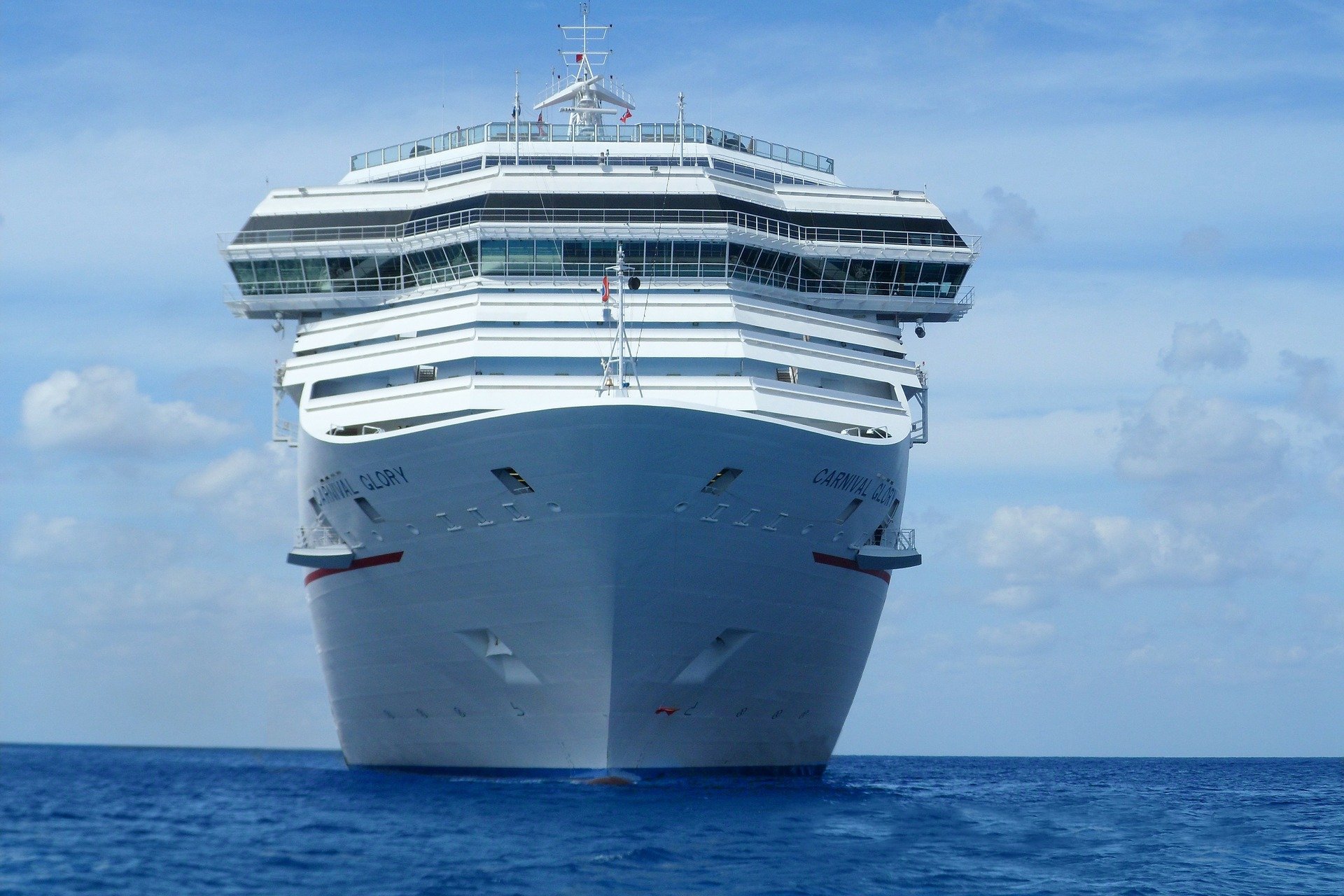
This Is How Long It Takes To Fuel A Cruise Ship

How Much Fuel Do Cruise Ships Use Cruise1st Blog
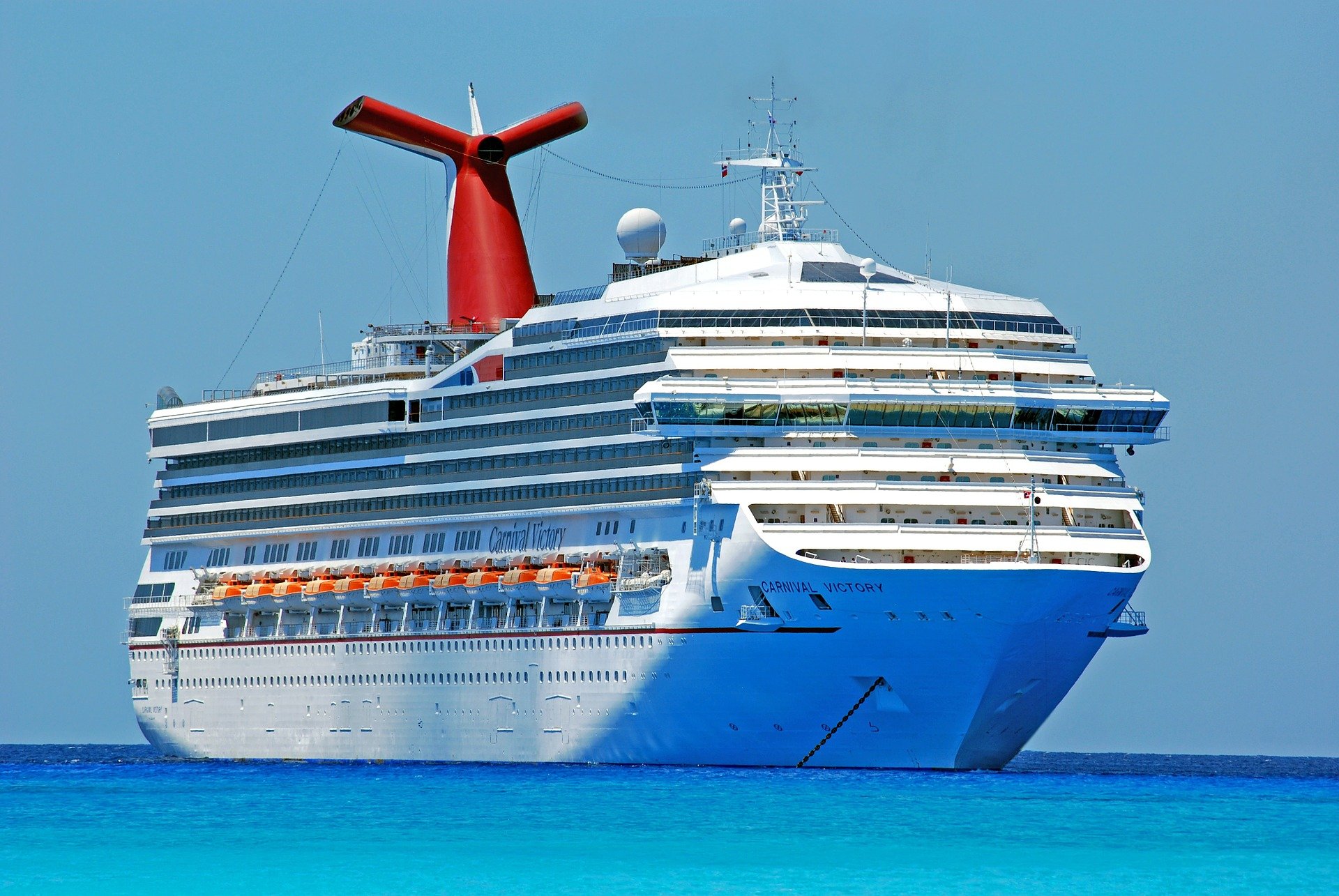
This Is How Long It Takes To Fuel A Cruise Ship
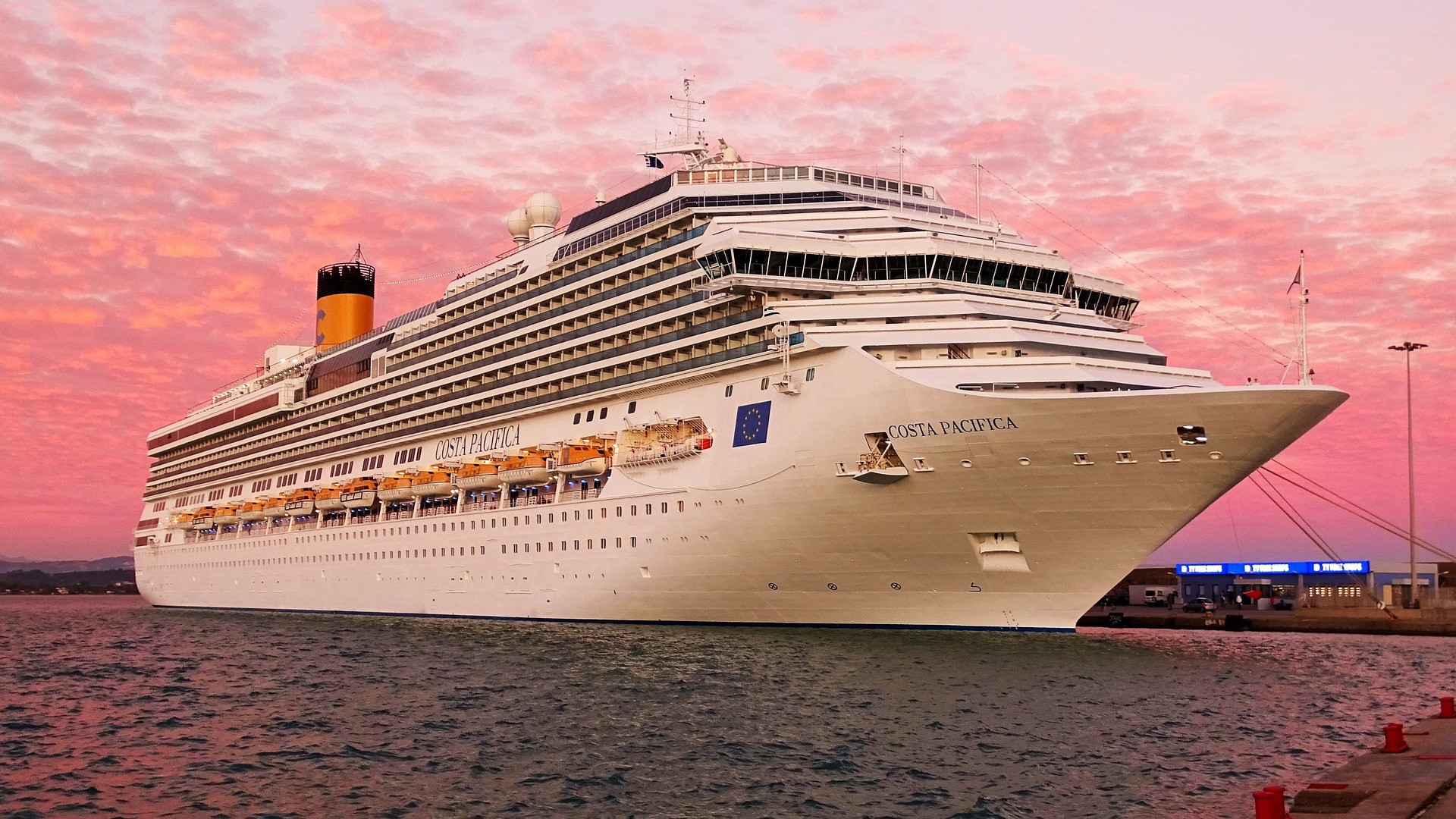
This Is How Long It Takes To Fuel A Cruise Ship

A New Concept In Cruising Eoseas Cruise Cruise Ship Sailing

Immerse yourself into culture cuisine art and history on Vikings award winning ships.
What fuels cruise ships. Explaining the types of fuel used on ships Biofuels. HFO heavy fuel oil is used by diesel engines while MGO marine gas oil is used by gas turbine engines. Every other ship is somewhere in between.
This year will see the first LNG-fuelled cruise ships come into service and there are many more on order. Since the ship carries 3114 passengers its gas mileage is 1279 mpgpassenger or 1765 mpgperson including crew. EPA officers conducted 163 cruise ship inspections and took 83 fuel samples between October 2015 and November 2016 and found very good compliance with the NSW requirements.
Speed affects cruise ship fuel consumption because to go faster vessels must increase the electricity flow to motors. Bio-diesel is a catch all term for a wide variety of products. Cruise ships using gaseous fuel If a cruise ship uses liquefied natural gas compressed natural gas or liquefied petroleum gas as its primary fuel source.
Ad Save Up To 30 Off Your Cruise Receive 5 Free Offers Including A Free Beverage Package. The IMO has decided that the final reduction of permitted sulphur. Cruise and cargo shipping companies are increasingly switching to super-chilled fuel which produces much less air pollution compared with the dirty bunker fuel that previously powered most ships.
Immerse yourself into culture cuisine art and history on Vikings award winning ships. Diesel engines are the most traditional type. The first passenger ship to employ LNG was AIDAnova which debuted in.
Of the three propulsion types presented here diesel engines are the simplest. Some use gas turbine engines. While a large cruise ship going fast will consume the absolute most amount of fuel.

Hazardous Cruises Welcome To Toxic Paradise

Hazardous Cruises Welcome To Toxic Paradise
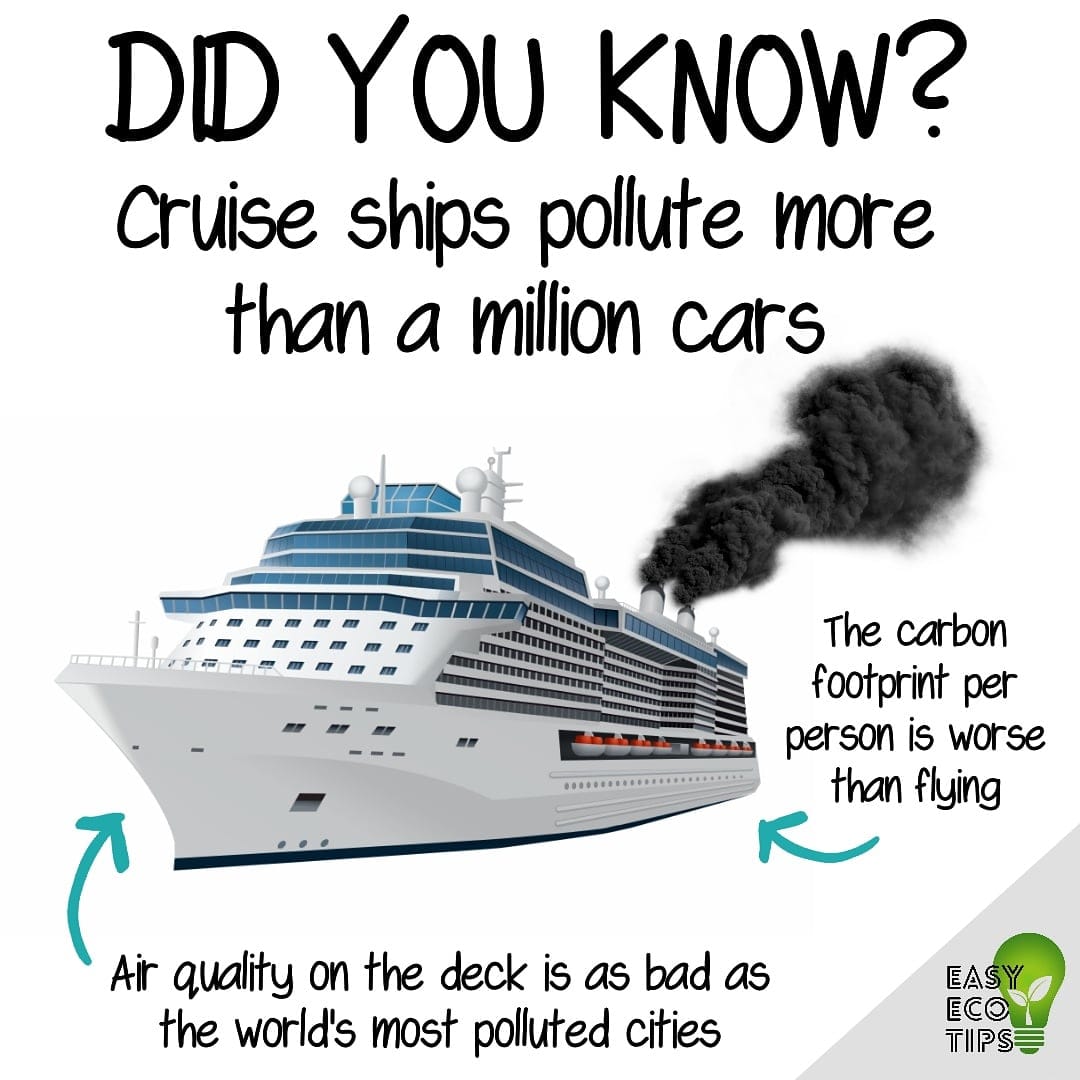
Easy Eco Tips The Daily Emissions Of A Cruise Ship Can Be The Same As A Million Cars The Air Quality On The Deck Is As Bad As The
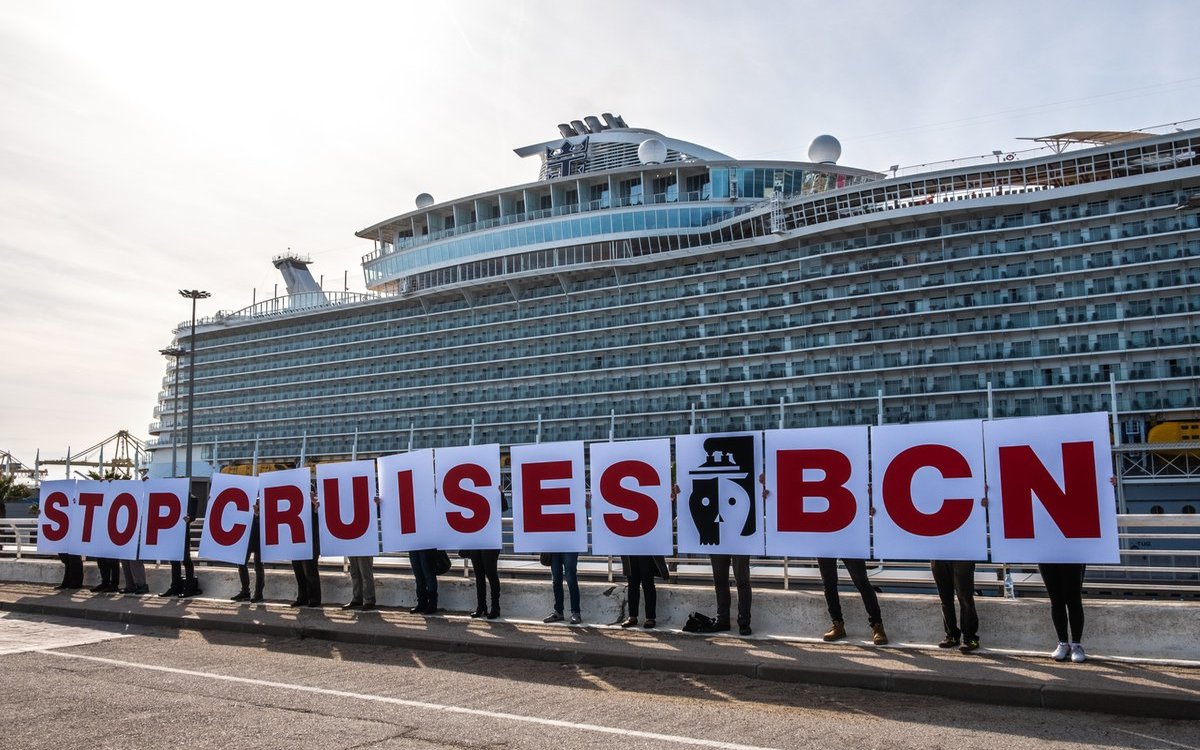
First Gas Powered Cruise Ship Is Not Sustainable Tourism Campaigning For Cleaner Transport In Europe Transport Environment

Msc Cruises And Total Agree Lng Supply Deal Seatrade Cruise Com

Ocean Rebellion Campaigners Launch Protest Against Luxury Cruise Liner Luxury Cruise Cruise Liner Cruise
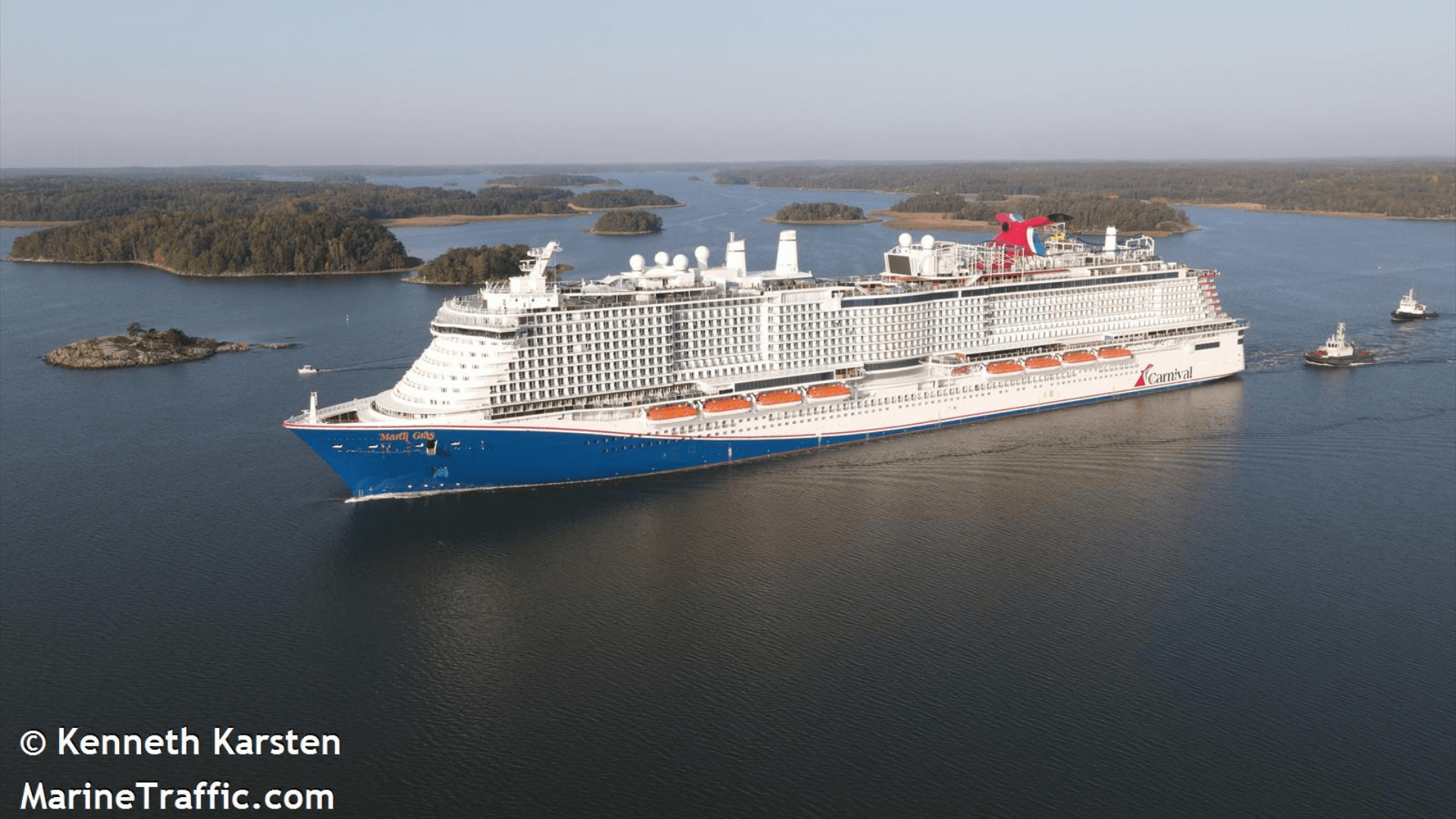
Full Steam Ahead For The Lng Propelled Mardi Gras Marinetraffic Blog
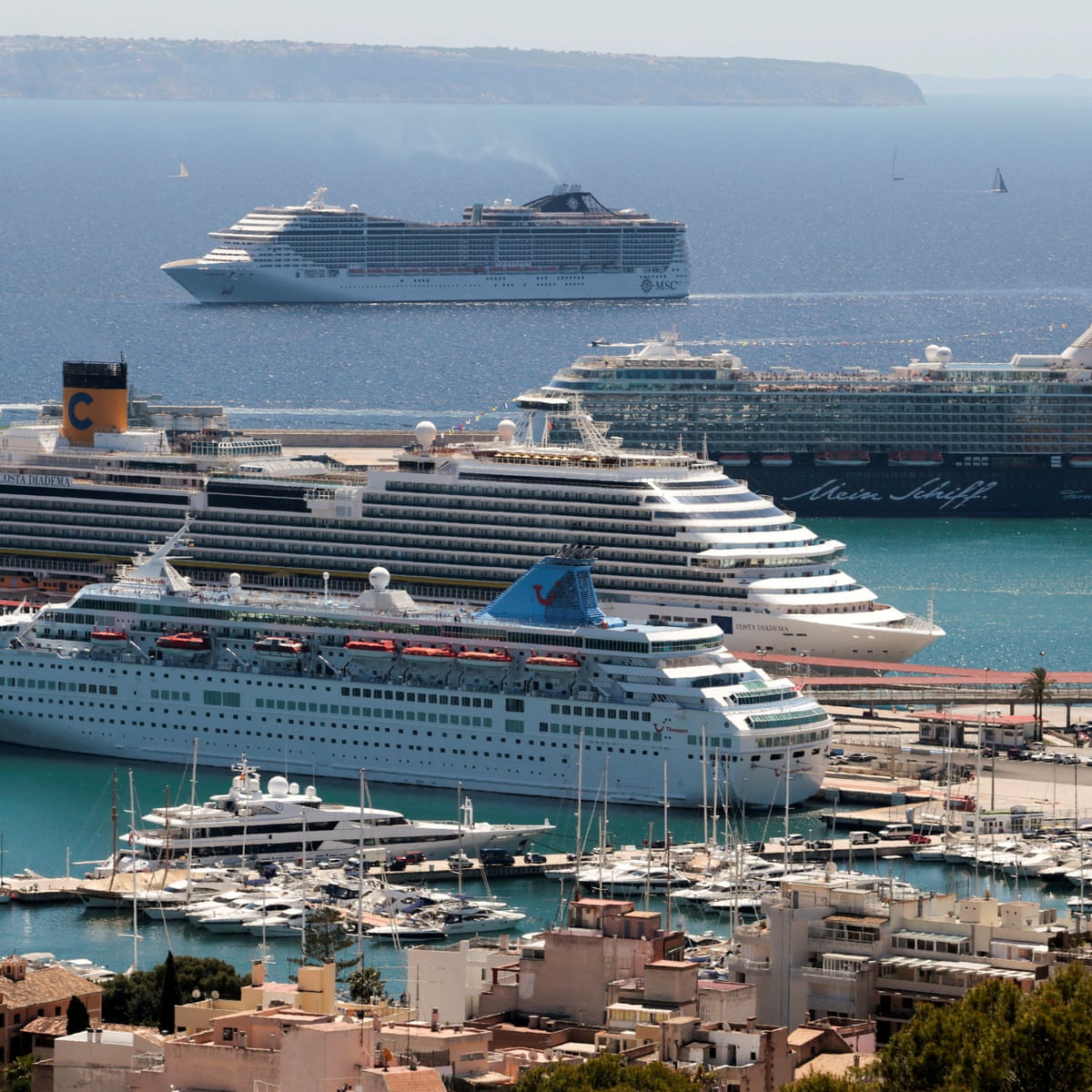
Cruise Holidays Who Is Leading The Fleet For Sustainable Sea Travel Guardian Sustainable Business The Guardian

Air Quality On Cruise Ship Deck Worse Than World S Most Polluted Cities Investigation Finds The Independent The Independent
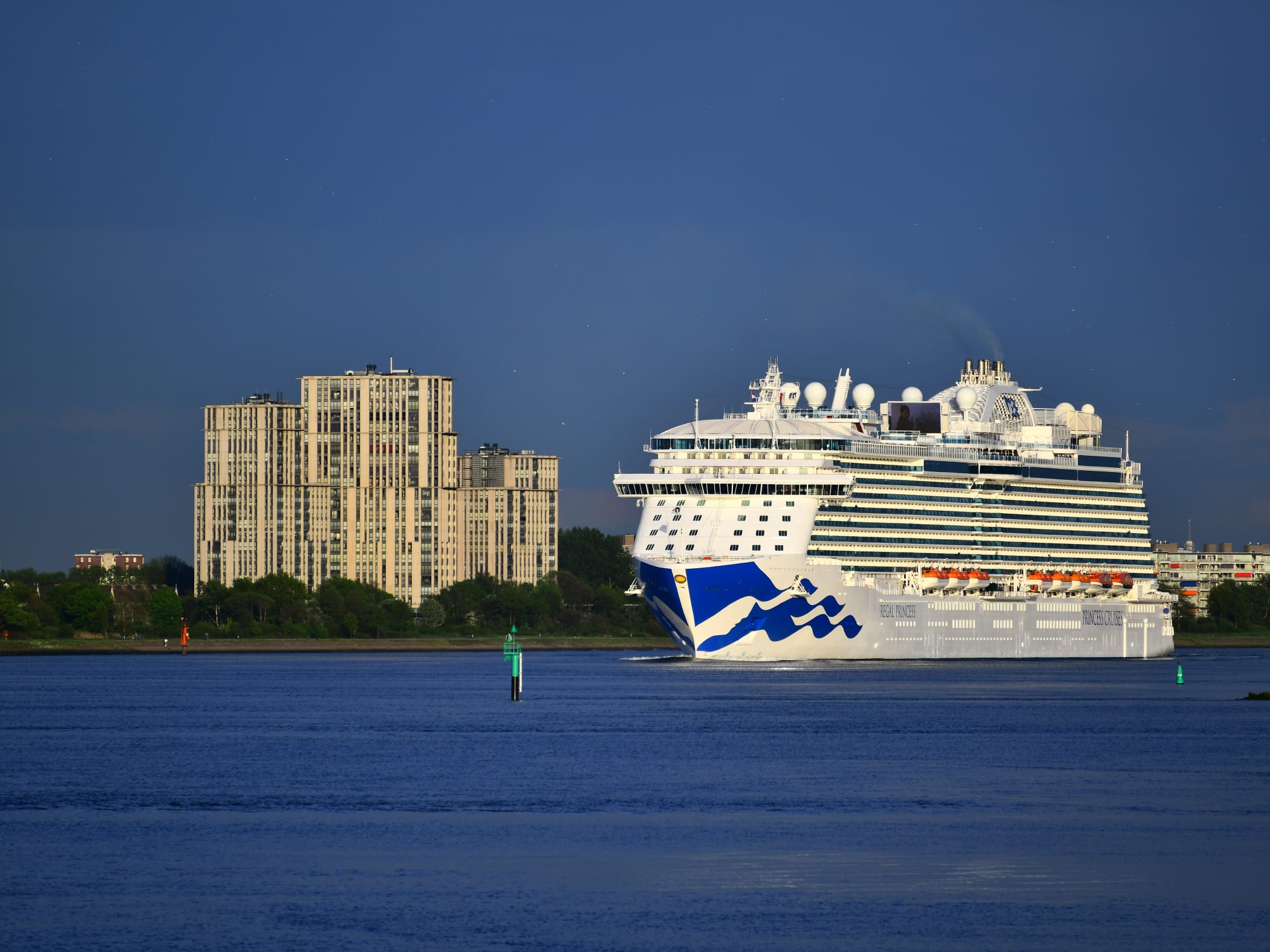
Cruise Ships In The Marine Industry Krohne Netherlands
Hazardous Cruises Welcome To Toxic Paradise
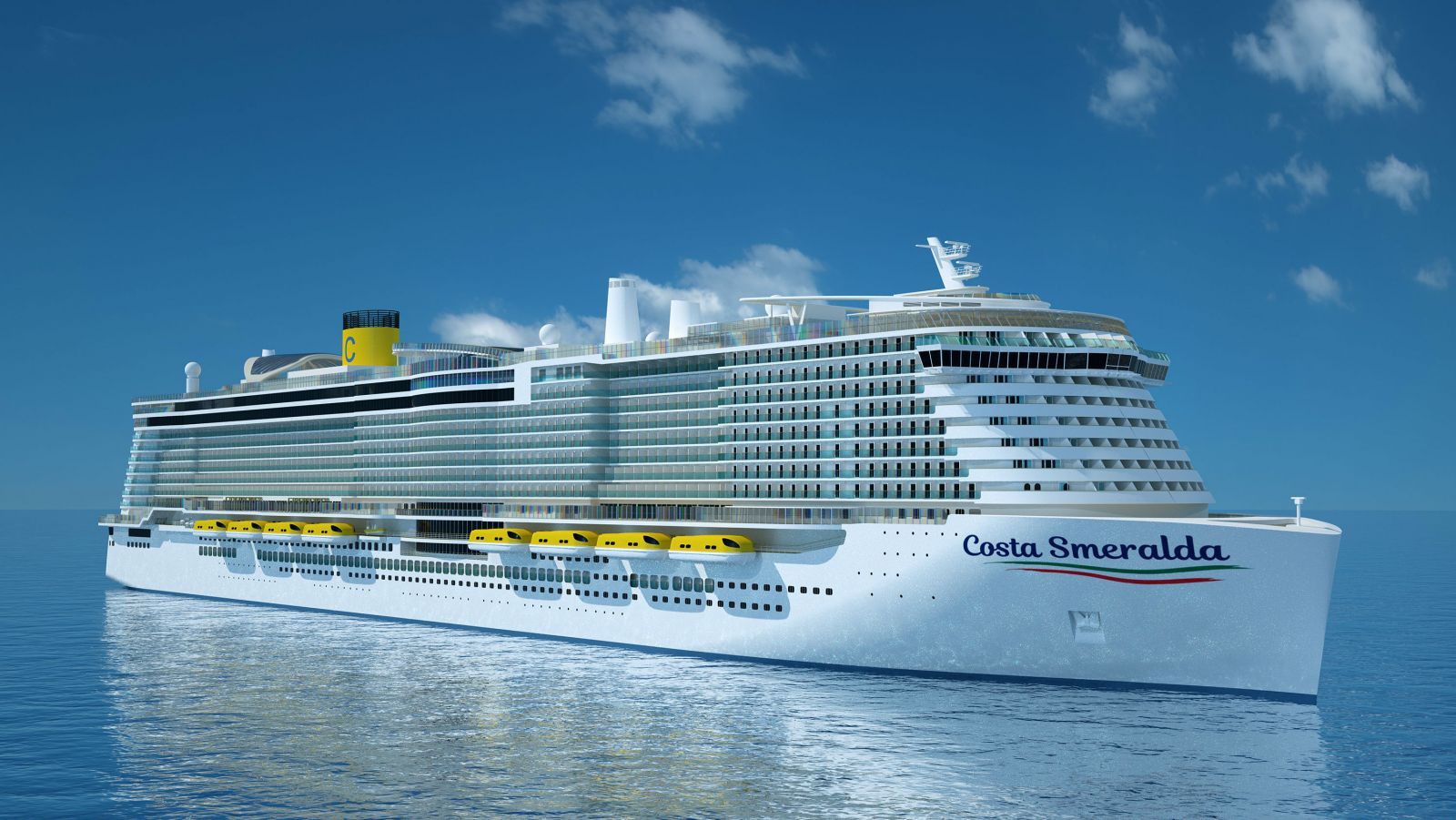
Lng Powered Cruise Ships Lead The Way

Pin By Britt B On Jetsetter Vacation Places Bahamas Vacation Vacation

Aida Plans For Hybrid Cruise Ships Shipinsight

